



 Home /
 What Is the Difference Between Cryogenic Bearings and Standard Bearings?

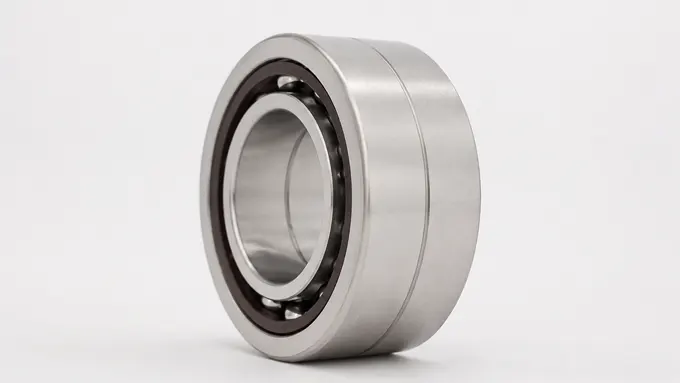
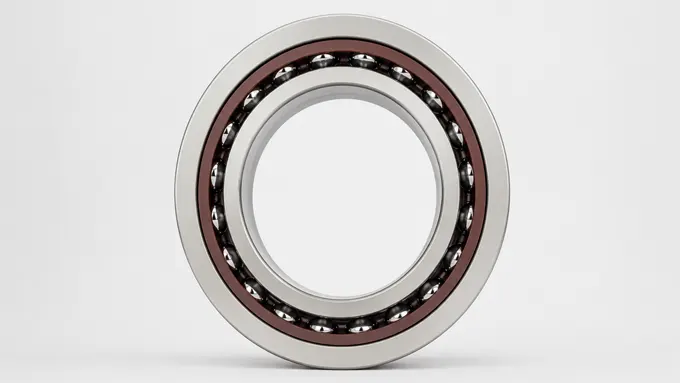
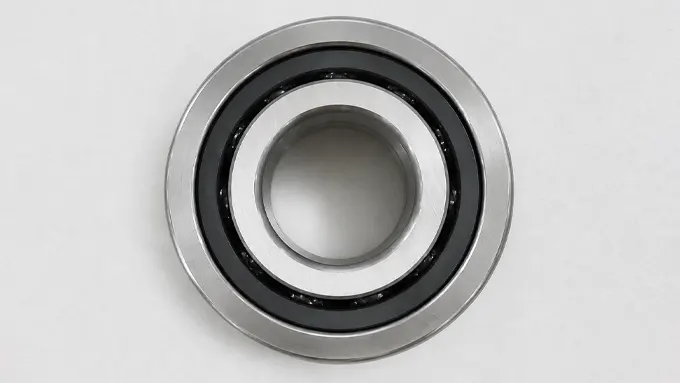
Cryogenic Bearings: Engineered for Extreme Low-Temperature Performance
Cryogenic bearings are specially engineered for efficient operation in low-temperature environments. Capable of withstanding extreme temperatures, these low-temperature bearings maintain normal operation below -60°C. By lowering the friction coefficient, they minimize frictional heat generation, keeping the bearings cool and delivering high efficiency during prolonged operation.
The key differences between cryogenic bearings and standard bearings include:
1. Materials
Cryogenic bearings are typically manufactured from materials capable of withstanding extreme temperatures, such as stainless steel, beryllium bronze, ceramics, or hybrid materials. In contrast, materials used in standard bearings cannot endure low-temperature environments, where cryogenic operation would lead to increased wear and accelerated damage.
2. Lubrication
Low-temperature bearings require specialized cryogenic lubricants that maintain their viscosity and provide adequate lubrication at freezing temperatures. Standard bearings fail to perform efficiently in low temperatures, resulting in increased friction and wear.
3. Cage Materials
The cages used in cryogenic bearings are generally made from low-temperature resistant materials such as polyamide, brass, or stainless steel. Standard bearing cages cannot withstand these freezing conditions, which can lead to cage failure and subsequent bearing damage.
4. Sealing Solutions
Cryogenic bearings require specialized seals to prevent the ingress of cold air and moisture, which can cause bearing corrosion and damage. Conversely, standard bearings are not designed to operate in such low temperatures, and therefore do not require the same level of advanced sealing and protection.
Share on Social:


- PREV: Not PREV
- NEXT: Which Bearings Are Suitable for Machine Tool Spindles?