


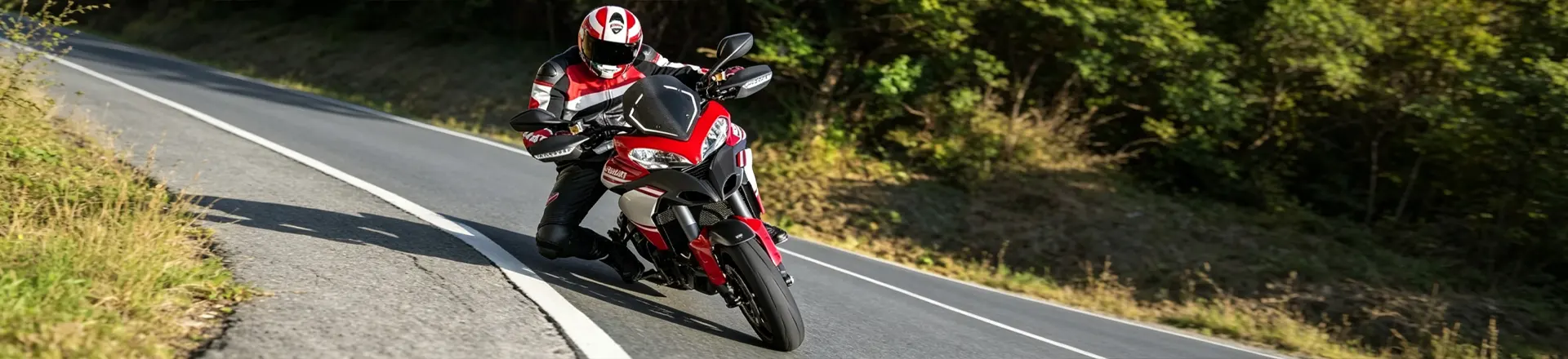
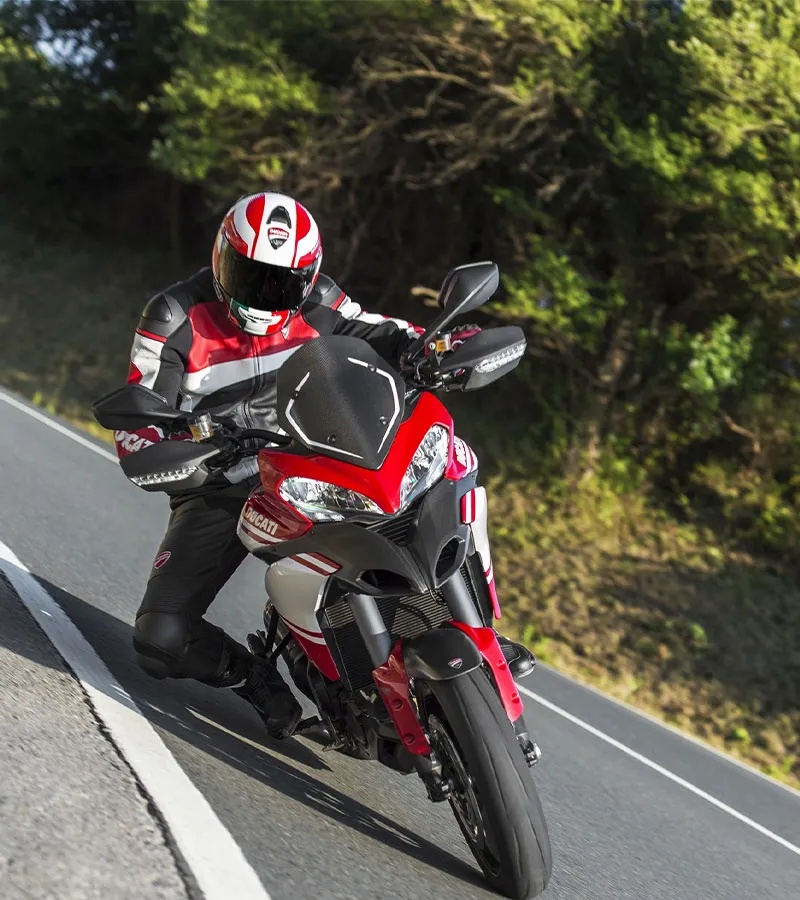
For two-wheel riders, the thrilling sensation of speed relies heavily on dozens of different motorcycle bearings working silently behind the scenes. Think of bearings as the "joints" of a motorcycle. When a bearing fails, symptoms can range from unstable steering handling and excessive fuel consumption to a catastrophic engine seizure.
This guide provides a practical overview of the three most critical motorcycle bearings—crankshaft bearings, steering stem bearings, and wheel bearings—along with actionable troubleshooting solutions.
1. Technical Overview of the 3 Critical Motorcycle Bearings
Crankshaft Bearings (The Engine's Heart Support)
- Location & Role: Positioned inside the engine crankcase, these bearings support both ends of the crankshaft. They endure extreme rotational speeds (often reaching 10,000+ RPM) while absorbing severe combustion impact from the piston.
- Engineering Characteristics: These are typically high-speed, high-clearance deep groove ball bearings (most commonly designated with a C3 internal clearance). They operate under high thermal stress and depend entirely on premium engine oil for lubrication and heat dissipation.
Steering Stem Bearings (The Handling Commander)
- Location & Role: Located inside the head tube of the frame where the triple tree connects the front forks and handlebars. They dictate your steering feel and cornering stability.
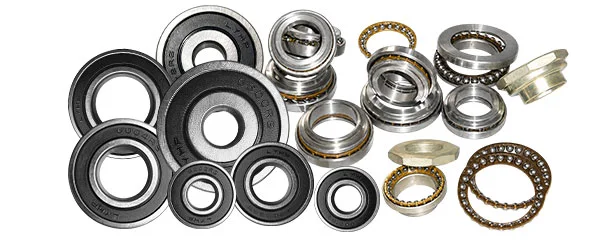
- Engineering Characteristics: Modern motorcycles rely on tapered roller bearings or angular contact thrust ball bearings for this application. They do not rotate continuously but must sustain severe axial and radial impact forces transmitted from the front wheel when hitting potholes.
Wheel Bearings (The High-Rolling Footwork)
- Location & Role: Pressed squarely into the center hubs of both the front and rear wheels.
- Engineering Characteristics: These are standard deep groove ball bearings equipped with double-lip rubber seals (typically designated as 2RS). Because they run mere inches from the ground, their primary defense mechanism must be absolute water and dust resistance.
2. Common Failure Modes & Troubleshooting Protocols
Failure 1: Crankshaft Bearings – Low-End Rumble & Power Loss
❓ Symptom: A dull, rhythmic "humming" or heavy metallic "clunking" noise emits from the engine block during idling or acceleration, accompanied by excessive chassis vibration and a sluggish throttle response.
🔍 Root Causes: Prolonged use of degraded engine oil, low oil levels, or aggressive high-RPM riding that causes fatigue flaking (spalling) on the raceways, leading to excessive internal clearance.
💡 Solutions:
This failure cannot be adjusted externally. The engine must be pulled from the frame and the crankcase split open (a bottom-end tear-down).
Always replace them with specialized high-speed, high-clearance bearings (C3 rating) and install fresh crankshaft oil seals. Implement strict, timely engine oil change intervals.
Failure 2: Steering Stem Bearings – Handlebar Notchiness & Front-End Wobble
❓ Symptom: The handlebars feel heavy, or there is a distinct "notchy" sensation (a indexing, click-like resistance, especially when the bars are centered) during low-speed maneuvers. Alternatively, the front end wobbles or shimmies at high speeds.
🔍 Root Causes: Heavy front-wheel impacts (potholes or hard wheelie landings) force the balls or rollers to indent the bearing races (a phenomenon called brinelling). Alternatively, riding in heavy rain or aggressive pressure washing emulsifies the grease, leading to rust.
💡 Solutions:
Elevate the bike on a center stand so the front wheel hangs free. Rotate the handlebars slowly from lock to lock. If you feel any catching or a central detent, the system needs inspection.
If the bearing races show visible indentation grooves, the bearing cone and cup assembly must be replaced as a matched set. Pack the new bearings heavily with waterproof, high-pressure grease and torque the steering stem nut strictly to OEM factory specifications (overtightening causes stiff handling; undertightening causes front-end play).
Failure 3: Wheel Bearings – Rolling Resistance & Cornering Drift
❓ Symptom: Pushing the motorcycle manually with the engine off requires immense effort, often accompanied by a dry "scratching" or "grinding" sound. During cornering, the rear end feels loose, exhibiting a drifting or "swimming" sensation.
🔍 Root Causes: Blasting the wheel hubs directly with a high-pressure car wash wand forces water past the rubber seals, washing out the grease and instigating localized rust and rapid abrasive wear.
💡 Solutions:
Lift the wheel clear of the ground using a paddock stand. Grab the top and bottom of the tire and rock it perpendicular to the direction of travel. If you feel any tactile looseness (wheel play), the bearings are spent.
Drift out the old bearings using a punch and press in brand-new, double-sealed (2RS) bearings.
The Golden Rule: Never aim a high-pressure water jet directly at the wheel axel seals or hub centers during washing!
3. Pro Maintenance Tips for Riders
Motorcycle bearings usually fail progressively rather than instantly. By making small behavioral adjustments—keeping pressure washers away from bearing seals, changing engine oil on schedule, and slowing down for rough roads—you can multiply the service life of these three critical bearing groups. If you notice any handling play or notchiness, address it immediately; a stable chassis is your absolute baseline for safe riding.