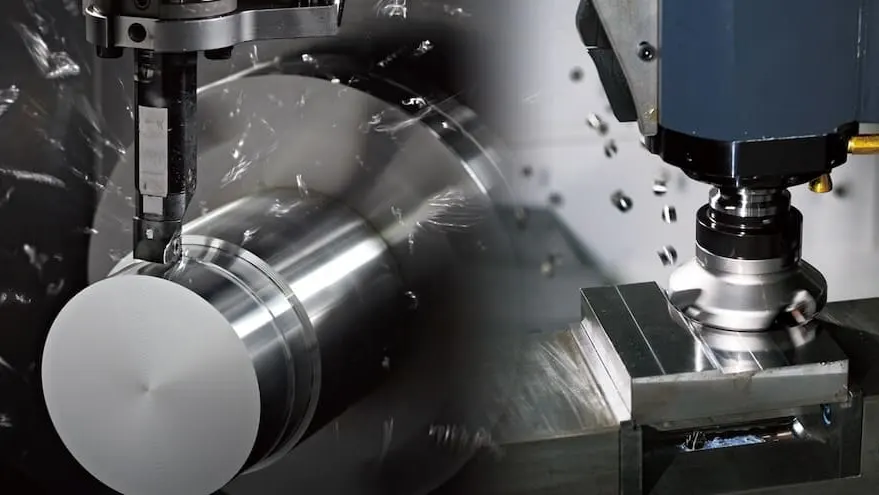



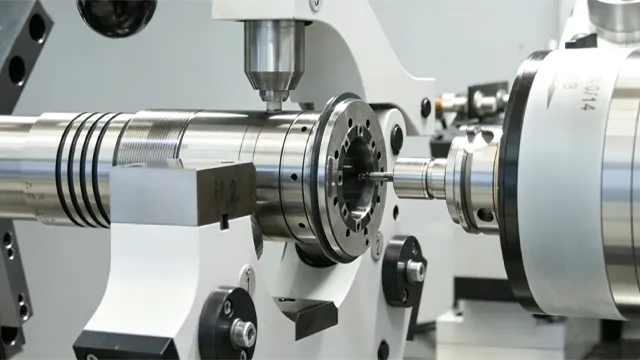
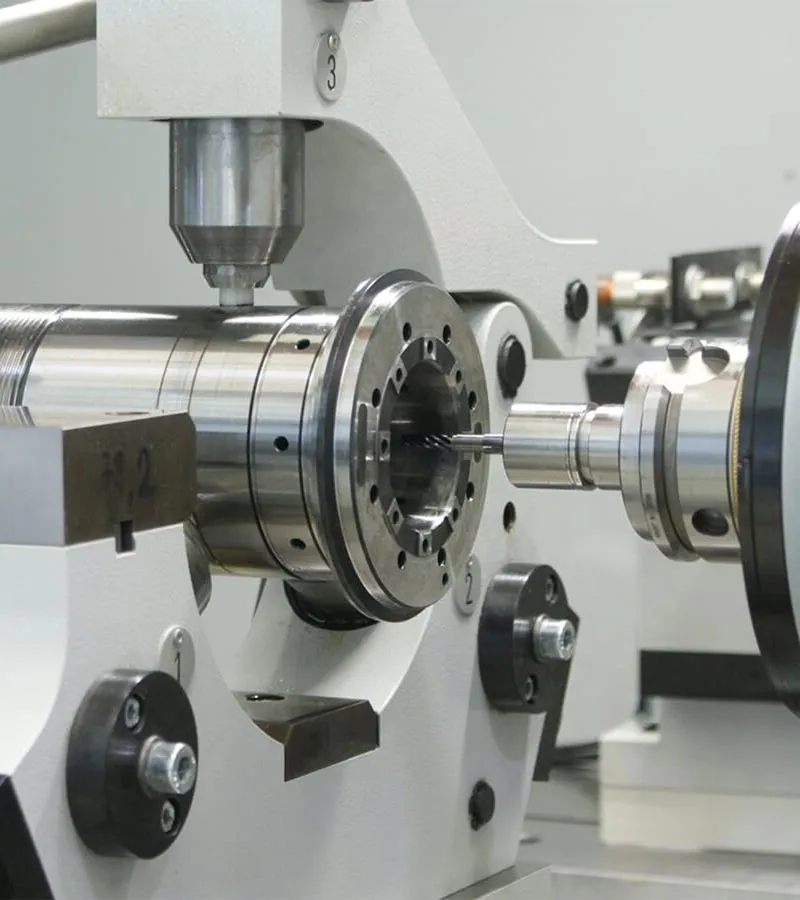
In the realm of metal cutting and precision manufacturing, machine tool bearings are often referred to as the "joints" of the equipment. For conventional machine tools—such as traditional lathes, milling machines, and drilling machines—the machining accuracy, surface roughness, and overall lifespan of the equipment heavily depend on the condition and performance of these bearings.
This comprehensive guide covers the essential knowledge of conventional machine tool bearings and provides actionable troubleshooting solutions for common spindle bearing failures.
1. Essentials of Conventional Machine Tool Bearings
Unlike high-speed CNC machining centers, conventional machine tools prioritize stiffness (load-carrying capacity) and vibration damping. They typically operate at low to medium rotational speeds but endure heavy, interrupted cutting forces.
Four Common Types of Machine Tool Spindle Bearings
Different components of a machine tool require distinct bearing characteristics. Below are the four most widely used types in traditional machinery:
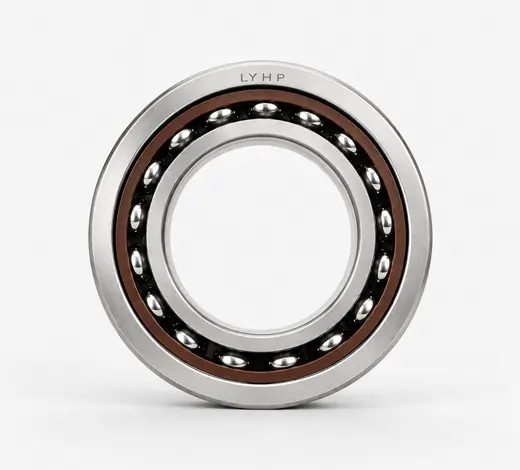
- Angular Contact Ball Bearings: Engineered to handle combined radial and axial loads simultaneously. In machine tool spindles, they are commonly installed in paired or stacked combinations (such as Back-to-Back DB or Face-to-Face DF arrangements). Applying a proper preload to these bearings significantly enhances spindle rotation accuracy and rigidity.
- Cylindrical Roller Bearings: Featuring line contact rather than point contact, these bearings offer exceptionally high radial load capacity and rigidity. They are frequently used at the front end of heavy-duty traditional spindles to withstand severe cutting impacts.
- Double Direction Angular Contact Thrust Ball Bearings: Specially designed to sustain axial loads in both directions. They are often paired with cylindrical roller bearings—one handles the radial forces, while the other manages the axial thrust.
- Tapered Roller Bearings: Highly prevalent in older, conventional heavy-duty lathes. They deliver excellent radial and axial load ratings along with superior shock resistance, though they are less suited for high-speed applications.
2. Common Machine Tool Bearing Failures & Troubleshooting Solutions
In workshops, bearings are classified as wearable parts. When machining quality drops, or the spindle emits strange noises, the bearings are likely failing. Here is how to diagnose and fix the four most common issues:
Issue 1: Bearing Overheating (Abnormal Temperature Rise)
❓ Symptoms: The bearing housing becomes extremely hot to the touch after running (typically exceeding 60°C or rising 30°C above ambient temperature).
🔍 Root Causes:
- Improper Lubrication: Excessive grease (causing churning heat/fluid friction), insufficient lubrication (causing dry boundary friction), or contaminated oil containing metal particulates.
- Excessive Preload: In pursuit of rigidity, the locknut is overtightened during installation, eliminating the internal bearing clearance and generating massive friction.
💡 Solutions:
Check the lubrication level. For conventional grease lubrication, the grease should fill 1/3 to 1/2 of the bearing's internal free space; never overpack it.
Readjust the preload. Slightly loosen the spindle locknut, measure the clearance using a dial indicator, and ensure the spindle rotates with smooth, reasonable resistance.
Issue 2: Abnormal Noise and Severe Vibration
❓ Symptoms: The machine emits a high-pitched squeal, a low-pitched rumbling noise, or a distinct, sharp vibration can be felt when touching the housing.
🔍 Root Causes:
- Raceway or Rolling Element Damage: Subsurface fatigue flaking, spalling, denting, or corrosion.
- Misalignment: The housing bore and the shaft centerline are out of alignment, causing alternating stresses and binding inside the bearing.
💡 Solutions:
Acoustic Diagnosis: Use a mechanical stethoscope or a long screwdriver pressed against the housing. A smooth, continuous "hissing" sound is normal. An intermittent "chirping" or heavy metallic "clunking" indicates damaged rolling elements or cages. The bearing must be replaced immediately.
Check assembly tolerances to ensure the bearing is seated perfectly square against the shaft shoulder.
Issue 3: Chatter Marks, Wave Patterns, or Dimensional Inaccuracy
❓ Symptoms: Without changing the cutting tools or parameters, the workpiece surface roughness degrades, chatter marks (wavy patterns) appear, or roundness tolerances are exceeded.
🔍 Root Causes:
- Excessive Internal Clearance: As the bearing wears down over time, internal play increases, causing the spindle to deflect, leading to radial runout or axial endplay under cutting loads.
- Loss of Rigidity: The structural preload has degraded due to long-term fatigue.
💡 Solutions:
Measure the spindle's radial and axial runout using a dial indicator. For conventional machine tools, the runout should typically be maintained within 0.005mm to 0.02mm.
If it exceeds tolerances, adjust the grinded spacers or tighten the adjustment nut to eliminate play and restore preload. If the wear is severe, replace the bearings in pairs.
Issue 4: Premature Seizure or Burnout
❓ Symptoms: The spindle suddenly stalls ("stalls the motor") during operation, locks up completely, and upon disassembly, the bearing components show blue discoloration or localized welding.
🔍 Root Causes:
- Severe Overload or Crash: Excessive feed rates or operational errors causing a violent collision between the workpiece and the tool.
- Contamination Entry: Failed seals allowing chips, grinding swarf, or dirty coolant to enter the bearing cavity.
💡 Solutions:
Completely replace the damaged bearing. Thoroughly inspect the spindle journal and housing bore for thermal distortion.
Upgrade the Sealing System: Conventional machining environments are harsh. Inspect felt seals or labyrinth seals regularly and replace worn components to prevent coolant and ingress of debris.
3. Best Practices for Machine Tool Bearing Maintenance
Preventative maintenance is far more cost-effective than reactive repairs. Adhere to these three fundamental principles to maximize bearing life:
| Maintenance Pillar | Core Operational Requirement |
| Precision Lubrication | Always use the exact oil viscosity grade (e.g., ISO VG 32 or VG 46 spindle oil) specified in the manual. Periodically clean oil reservoirs to remove settled metal shavings. |
| Contamination Control | Ensure the surrounding environment is pristine when changing grease or oil. Use lint-free cloths. A single microscopic abrasive particle can completely ruin a high-precision bearing. |
| Proper Installation | Never strike a bearing ring directly with a steel hammer. Always use brass drifts, a press sleeve, or an induction heater (heating the inner ring to 80°C - 100°C) for interference fits. |