



 Home /
 What Are the Causes of Spindle Bearing Noise, And How Do You Solve Them?

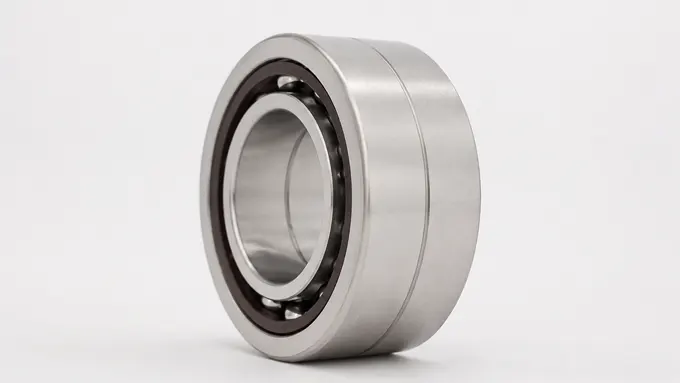
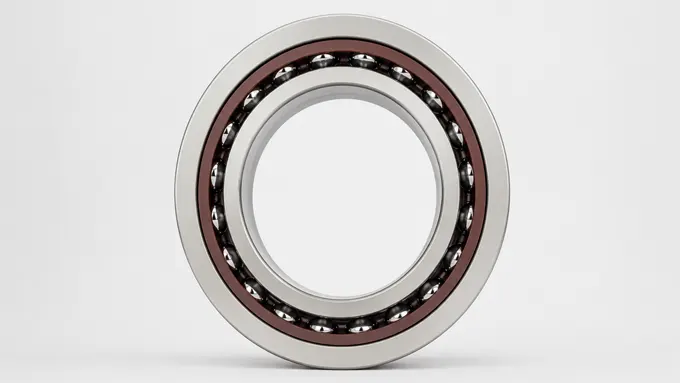
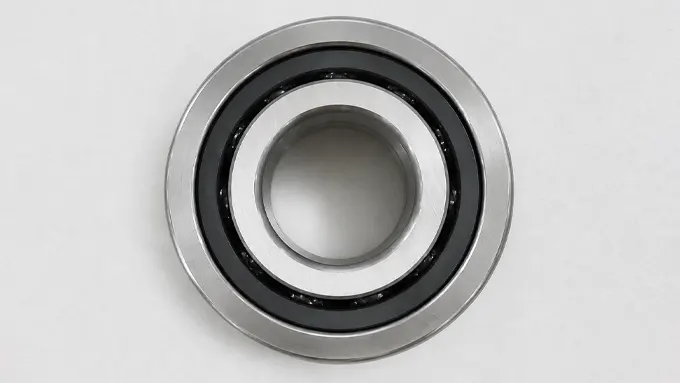
Causes and Solutions for Machine Tool Spindle Bearing Noise
In modern mechanical manufacturing, spindle bearing noise remains a persistent challenge for manufacturers and engineers. These noises not only disrupt equipment operation but can also negatively impact production efficiency and the working environment. To thoroughly investigate the root causes of spindle bearing noise and provide practical, effective solutions, this article analyzes the potential factors behind bearing noise, helping you better understand and resolve this challenge.
Root Causes of Spindle Bearing Noise and Solutions
1. Insufficient Lubrication or Contamination
- Cause: Bearings require adequate lubrication during operation to reduce friction and wear. Poor lubrication or contaminated oil/grease leads to unsmooth rotation and generates noise.
- Solution: Regularly inspect and apply the correct type and quantity of lubricant. Periodically replace the oil/grease to maintain optimal lubrication status.
2. Bearing Damage or Wear
- Cause: Prolonged operation, overloading, or harsh working conditions can cause bearing damage or fatigue wear, resulting in noise.
- Solution: Promptly replace damaged bearings and inspect operating conditions to ensure the equipment runs within its designated limits.
3. Improper Installation
- Cause: Incorrect mounting can subject the bearing to uneven forces or excessive stress, inducing noise issues.
- Solution: Strictly follow the manufacturer's installation guidelines to ensure correct bearing mounting and prevent assembly-induced noise.
4. Shaft and Bearing Mismatch
- Cause: Mismatched dimensions between the shaft and the bearing can subject the bearing to excessive loads, leading to noise.
- Solution: Use the correct bearing size and ensure precise fitment between the shaft and bearing to eliminate noise caused by dimensional mismatches.
5. Incorrect Bearing Preload
- Cause: Excessive or insufficient bearing preload can cause noise and impair normal bearing operation.
- Solution: Adjust the bearing preload force to ensure it falls within the optimal range, preventing noise issues from over-preloading or under-preloading.
6. Housing or Support Structure Issues
- Cause: Defects in the bearing housing or support structures can lead to bearing instability, generating noise.
- Solution: Inspect and repair the bearing housing and support structures to ensure a stable working condition.
7. Poor Operating Conditions
- Cause: Inappropriate operating parameters, such as excessive speeds or severe overloads, can trigger bearing noise.
- Solution: Adjust operating conditions to ensure the bearing runs within its rated capacities, minimizing noise from adverse conditions.
8. Bearing Aging and Degradation
- Cause: Over time, bearings inevitably age and degrade, leading to increased noise levels.
- Solution: Routinely monitor bearing conditions and replace them as needed to guarantee long-term equipment stability.
9. Overheating
- Cause: Excessive friction, inadequate lubrication, or poor operating conditions can cause bearing overheating, which induces noise.
- Solution: Ensure proper lubrication, optimize operating parameters to prevent overheating, and verify that the cooling system functions correctly.
10. Shaft Misalignment
- Cause: Incorrect alignment between the bearing and the shaft leads to abnormal vibration and noise.
- Solution: Utilize appropriate alignment tools to ensure precise alignment between the bearing and the shaft, reducing vibration and noise.
11. External Vibration
- Cause: External vibration sources can negatively impact the bearing, inducing resonant noise issues.
- Solution: Identify and mitigate external vibration sources, or implement vibration isolation measures to reduce transmission to the bearing.
12. Contaminant Ingress
- Cause: Ingress of dust, foreign particles, or debris into the bearing interior causes localized damage and noise.
- Solution: Maintain a clean working environment and ensure robust bearing sealing to block contaminants and prevent noise.
13. Sub-surface Bearing Damage
- Cause: Invisible bearing damage, such as micro-cracks, can cause mysterious or persistent noise.
- Solution: Perform comprehensive bearing inspections using non-destructive testing (NDT) or appropriate diagnostic tools to detect underlying micro-damage.
Share on Social:


- PREV: Which Bearings Are Suitable for Machine Tool Spindles?
- NEXT: Not NEXT